
How to Get Rid of Acne Scars: Effective Treatments & Remedies
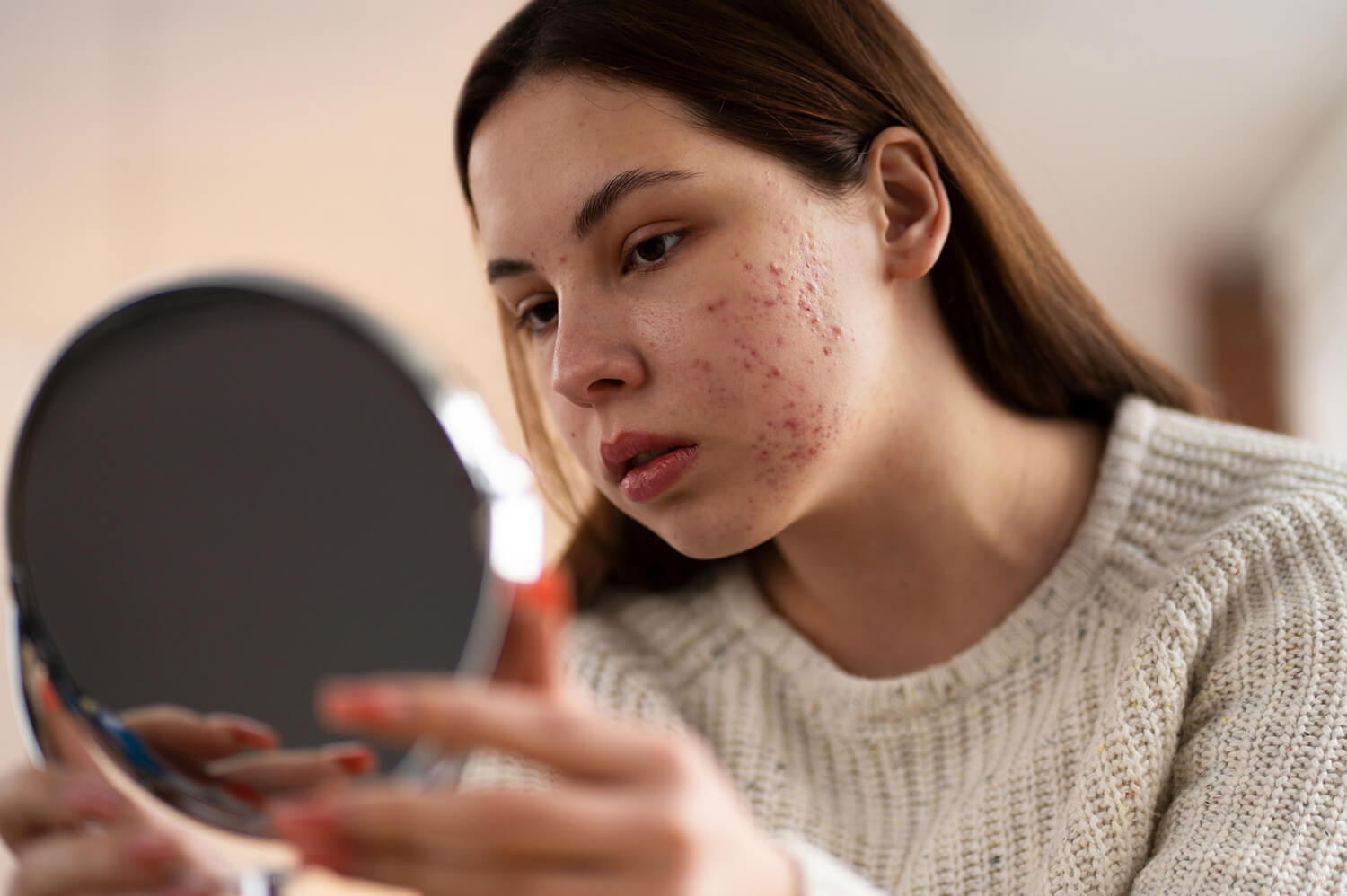
Acne scars can be a frustrating reminder of past breakouts, often affecting self-confidence and skin appearance. While acne is temporary, scars can persist for months or even years. Fortunately, various acne scar treatment options are available, ranging from medical procedures to natural remedies. This guide will help you understand how to remove acne scars effectively, explore the best treatments for acne scars, and adopt preventive measures to maintain healthy skin.
Professional Procedures
1. Laser Treatment for Acne Scars
Laser resurfacing is a highly effective acne scar treatment that works by removing the outer layers of damaged skin, encouraging new skin cell production, and boosting collagen levels. This method is particularly beneficial for atrophic scars, such as ice-pick scars, boxcar scars, and rolling scars. However, individuals with darker skin tones should exercise caution, as some laser treatments may cause hyperpigmentation or scarring.
Types of Laser Therapy:
Ablative Lasers (CO2 and Erbium YAG): Remove layers of skin, promoting deep collagen production.
Non-Ablative Lasers (Nd: YAG, Pulsed-Dye Lasers): Stimulate collagen without removing skin layers, reducing redness and improving skin texture.
Fractional Laser Therapy: Creates micro-injuries in the skin to encourage natural healing and collagen growth.
2. Chemical Peels for Acne Scars
Chemical peels work by applying an acid solution to the skin. This solution exfoliates the surface, removes dead skin cells, and stimulates new growth. This treatment is particularly effective for mild scarring and discoloration.
Types of Chemical Peels:
Superficial Peels (Glycolic, Lactic, and Salicylic Acid): Suitable for light acne scars and post-inflammatory hyperpigmentation.
Medium Peels (Trichloroacetic Acid – TCA): Penetrate deeper into the skin to reduce moderate scars.
Deep Peels (Phenol): Used for severe scarring but requires a longer recovery time.
Individuals with darker skin should avoid deep peels as they may cause unwanted pigmentation changes.
3. Microneedling for Acne Scars
Collagen induction therapy, or microneedling, creates microinjuries in the skin with the help of a device with tiny needles. These controlled injuries stimulate collagen and elastin production, improving skin texture and reducing depressed acne scars.
Benefits:
Effective for boxcars and rolling scars.
Enhances absorption of topical treatments like retinoids and vitamin C.
Minimal downtime compared to laser resurfacing.
4. Dermal Fillers
Dermal fillers help raise depressed scars, making them less noticeable. These fillers contain hyaluronic acid, collagen, or even a patient’s fat, and are injected beneath the scarred area to plump the skin.
Pros & Cons:
Immediate improvement in skin texture.
Temporary results (lasting from a few months to a year) require repeat treatments.
Best suited for rolling scars and some boxcar scars.
5. Sub Cision
Sub-cision is a minor surgical procedure used to treat deep, tethered acne scars. A needle is inserted beneath the skin to break the fibrous bands that anchor the scar, allowing the skin to rise and smooth out.
Best for:
Rolling scars and deep boxcar scars.
Can be combined with microneedling or laser therapy for enhanced results.
Final Thoughts
While acne scars may take time to heal, consistent care and the right treatment approach can make a significant difference. Whether opting for laser treatment for acne scars, chemical peels or microneedling, patience is key. Consulting a dermatologist ensures you get the best acne scar treatment suited to your skin type. With persistence, you can achieve a smoother, clearer complexion.