
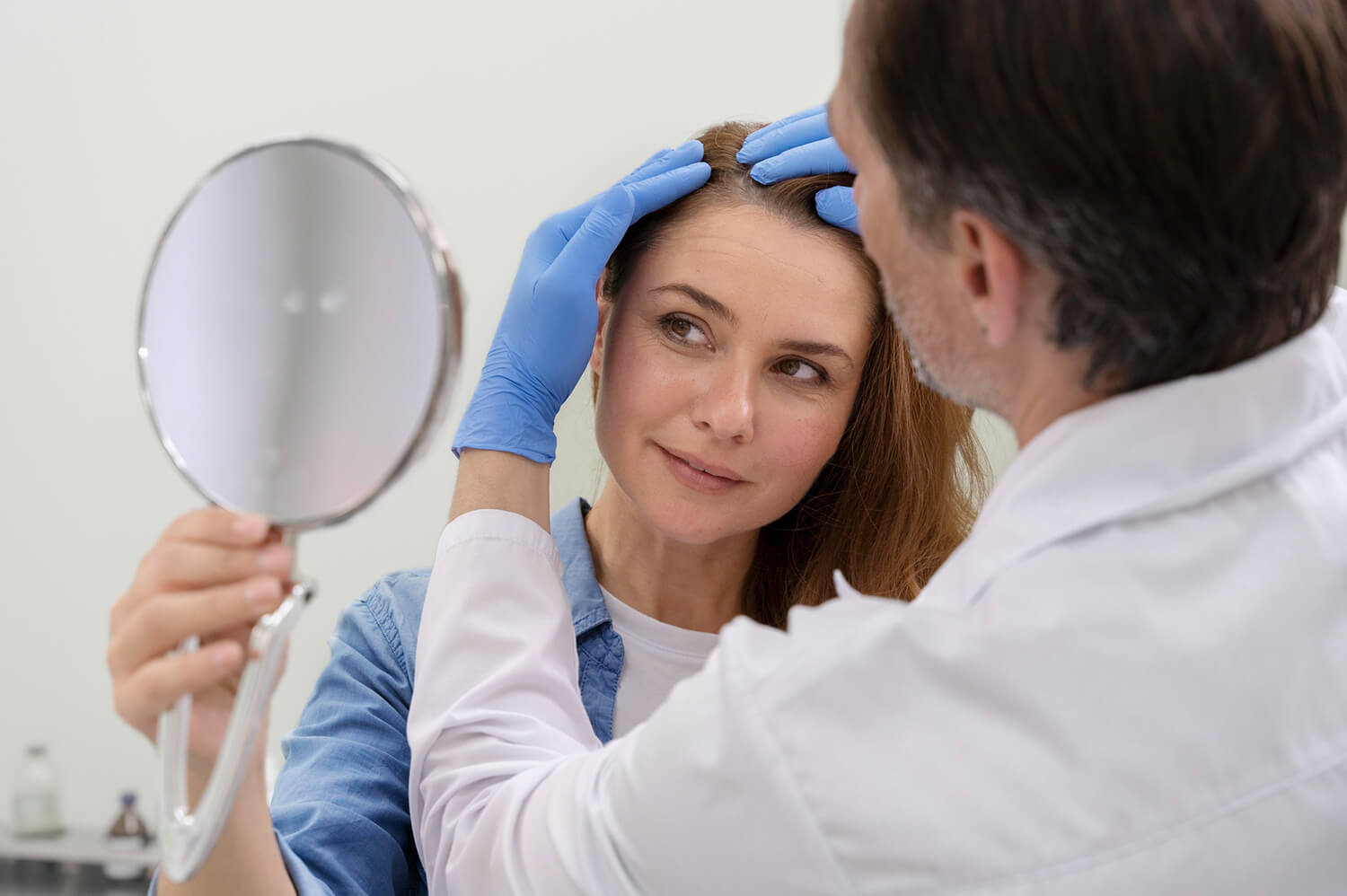
Understanding the Causes of Hair Loss and Effective Treatments
Hair loss is a common concern affecting millions of men and women worldwide. While losing some hair every day is a normal part of the hair growth cycle, excessive hair fall or noticeable thinning can impact confidence and may indicate an underlying health issue. Understanding the causes of hair loss is the first step toward finding the most effective treatment and restoring healthy hair growth.
What is Hair Loss?
Hair loss, also known as alopecia, occurs when hair sheds faster than it can regrow. It may develop gradually over time or occur suddenly, depending on the underlying cause. Hair loss can affect the scalp, eyebrows, beard area, or even the entire body.
Common Causes of Hair Loss
1. Genetic Factors (Hereditary Hair Loss)
The most common cause of hair loss is hereditary pattern baldness.
In men: Hairline recession and thinning at the crown are common signs.
In women: Hair usually becomes thinner over the top of the scalp while the frontal hairline is often preserved.
Genetic hair loss tends to progress gradually if left untreated.
2. Hormonal Changes
Hormonal imbalances can significantly affect hair growth.
Common causes include:
Pregnancy and childbirth
Menopause
Thyroid disorders
Polycystic Ovary Syndrome (PCOS)
These conditions may lead to increased hair shedding or noticeable thinning.
3. Nutritional Deficiencies
Healthy hair requires adequate nutrition. Deficiencies in essential nutrients can weaken hair follicles and slow growth.
Important nutrients include:
Iron
Protein
Vitamin D
Vitamin B12
Zinc
Biotin
Poor dietary habits can contribute to excessive hair fall.
4. Stress and Emotional Factors
Physical or emotional stress can trigger a condition called Telogen Effluvium, where a large number of hair follicles enter the resting phase simultaneously.
Common triggers include:
Major illness
Surgery
High fever
Emotional trauma
Significant life changes
Hair often regrows once the underlying stress is addressed.
5. Medical Conditions
Several health conditions can contribute to hair loss, including:
Thyroid disorders
Autoimmune diseases
Scalp infections
Anemia
Chronic illnesses
Proper diagnosis is essential to identify and treat the root cause.
6. Hair Styling and Chemical Damage
Frequent use of:
Hair coloring
Chemical straightening
Excessive heat styling
Tight hairstyles
Can damage hair shafts and follicles, leading to breakage and hair loss over time.
7. Medications
Certain medications may cause temporary or long-term hair loss as a side effect.
Examples include:
Some blood pressure medications
Certain antidepressants
Chemotherapy drugs
Hormonal medications
Consult your doctor if you suspect medication-related hair loss.
Effective Treatments for Hair Loss
The best treatment depends on the underlying cause, severity of hair loss, and individual patient factors.
Medical Evaluation and Diagnosis
A dermatologist may recommend:
Detailed scalp examination
Hair pull test
Blood investigations
Trichoscopy (hair and scalp analysis)
Accurate diagnosis helps create a personalized treatment plan.
Medications
Certain medications may help:
Slow hair loss progression
Strengthen existing hair
Stimulate new growth
These treatments are often most effective when started early.
PRP (Platelet-Rich Plasma) Hair Therapy
PRP therapy is a popular non-surgical treatment that uses growth factors from the patient’s own blood to stimulate hair follicles.
Benefits include:
Improved hair density
Reduced hair fall
Enhanced follicle activity
Minimal downtime
PRP is commonly used for both men and women experiencing hair thinning.
Conclusion
Hair loss can result from a variety of factors, including genetics, hormonal changes, nutritional deficiencies, stress, and medical conditions. Fortunately, modern dermatology offers several effective treatment options ranging from medical therapies and PRP treatments to advanced hair restoration procedures. Early diagnosis and a personalized treatment approach are key to preserving hair health and achieving the best possible results.
If you are experiencing persistent hair loss or hair thinning, consult a qualified dermatologist to identify the cause and explore the most suitable treatment options for your needs.
Read Recent Articles

Winter Hair & Skin Care Tips
Some winter therapy tips for both hair and skin to keep them healthy and radiant during the cold, dr

Dark skin care
Although black skin tends to be more healthy-looking naturally, this doesn’t mean it is any le
Skin Care Treatments and Procedures to Be Done During Summer
Summer in Himatnagar brings intense heat, humidity, pollution, and strong UV exposure. These environ