
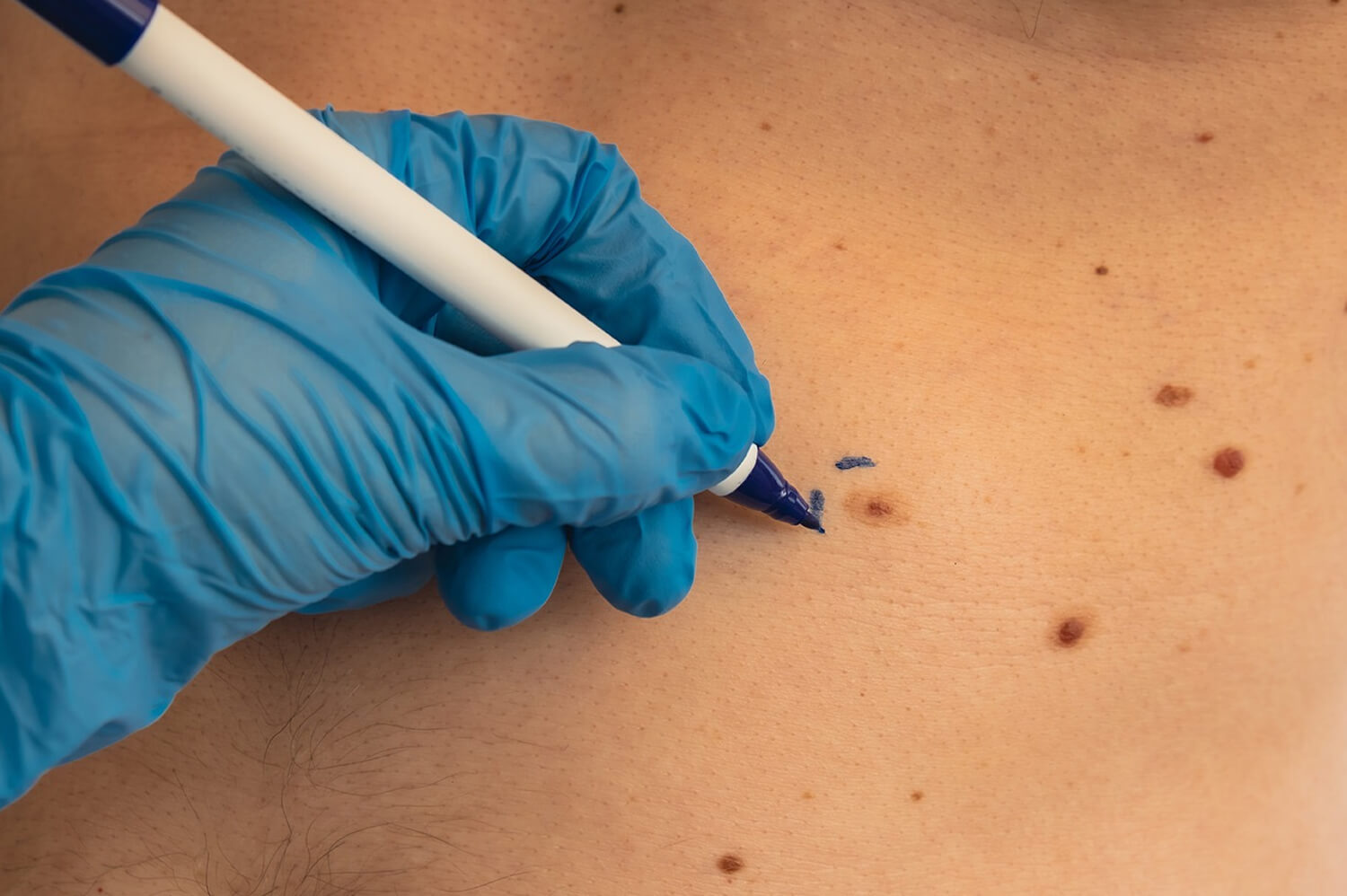
Common Skin Conditions Treated with Dermatosurgery
Skin conditions can range from minor cosmetic concerns to medical issues that require specialized treatment. Dermatosurgery is a branch of dermatology that focuses on surgical procedures used to diagnose, remove, and treat various skin, hair, and nail conditions. Modern dermatosurgical techniques are safe, minimally invasive, and designed to provide excellent cosmetic and functional outcomes.
What is Dermatosurgery?
Dermatosurgery involves specialized surgical procedures performed by dermatologists to treat a variety of skin disorders. These procedures may be used for medical, cosmetic, or diagnostic purposes and are typically performed under local anesthesia in an outpatient setting.
Common Skin Conditions Treated with Dermatosurgery
1. Moles (Nevi)
Moles are common skin growths that may appear anywhere on the body. While most moles are harmless, some may change in size, shape, or color and require evaluation.
Dermatosurgery may be recommended for:
Suspicious or changing moles
Irritating moles that rub against clothing
Cosmetic mole removal
2. Skin Tags (Acrochordons)
Skin tags are small, soft, benign growths often found on the neck, underarms, eyelids, and groin.
Treatment options include:
Surgical excision
Electrocautery
Radiofrequency removal
These procedures are quick and usually leave minimal scarring.
3. Warts
Warts are caused by the human papillomavirus (HPV) and can occur on the hands, feet, face, or genital area.
Dermatosurgical treatments include:
Cryotherapy (freezing)
Electrosurgery
Surgical removal
Radiofrequency treatment
4. Sebaceous Cysts
Sebaceous or epidermoid cysts are non-cancerous lumps that develop beneath the skin due to blocked glands.
Symptoms may include:
Slow-growing lumps
Swelling or discomfort
Recurrent infections
Complete surgical removal helps prevent recurrence.
5. Lipomas
Lipomas are soft, fatty lumps that develop under the skin. Although generally harmless, they may cause discomfort or cosmetic concerns.
Dermatosurgery can help by:
Safely removing the lump
Confirming diagnosis through examination
Improving appearance and comfort
6. Keloids and Hypertrophic Scars
Some scars grow excessively and become raised, thick, or itchy.
Treatment options may include:
Surgical scar revision
Intralesional injections
Combination therapies for better outcomes
Early treatment often improves cosmetic results.
7. Ingrown Toenails
An ingrown toenail occurs when the nail grows into the surrounding skin, causing pain, redness, and infection.
Dermatosurgical treatment may involve:
Partial nail removal
Nail matrix procedures to prevent recurrence
This provides long-term relief and reduces the risk of repeated infections.
8. Skin Biopsy for Suspicious Lesions
A skin biopsy is a minor surgical procedure used to diagnose unexplained skin growths, rashes, or suspicious lesions.
Reasons for biopsy include:
Persistent skin lesions
Suspected skin cancer
Uncertain diagnosis
Early diagnosis helps guide appropriate treatment.
9. Benign Skin Tumors
Various non-cancerous skin growths can develop over time, including:
Seborrheic keratoses
Dermatofibromas
Neurofibromas
Dermatosurgery can safely remove these lesions when medically necessary or cosmetically desired.
10. Skin Cancer and Precancerous Lesions
Early detection and treatment are crucial for skin cancer management.
Dermatosurgical procedures may be used to treat:
Basal cell carcinoma
Squamous cell carcinoma
Precancerous skin lesions
Timely intervention improves treatment outcomes and helps prevent disease progression.
Conclusion
Dermatosurgery plays an important role in managing a wide range of skin conditions, from harmless growths to potentially serious skin cancers. With advanced techniques and expert care, most procedures are safe, effective, and require minimal downtime. If you have a concerning skin lesion, growth, or scar, consulting a qualified dermatologist can help determine the most appropriate treatment option and maintain healthy skin.
For expert dermatosurgical care, schedule a consultation with a qualified dermatologist to discuss the best treatment options for your skin condition.
Read Recent Articles

Great skin tips
Thank you! I’m glad you’re interested in skin care tips. Taking care of your skin is ess
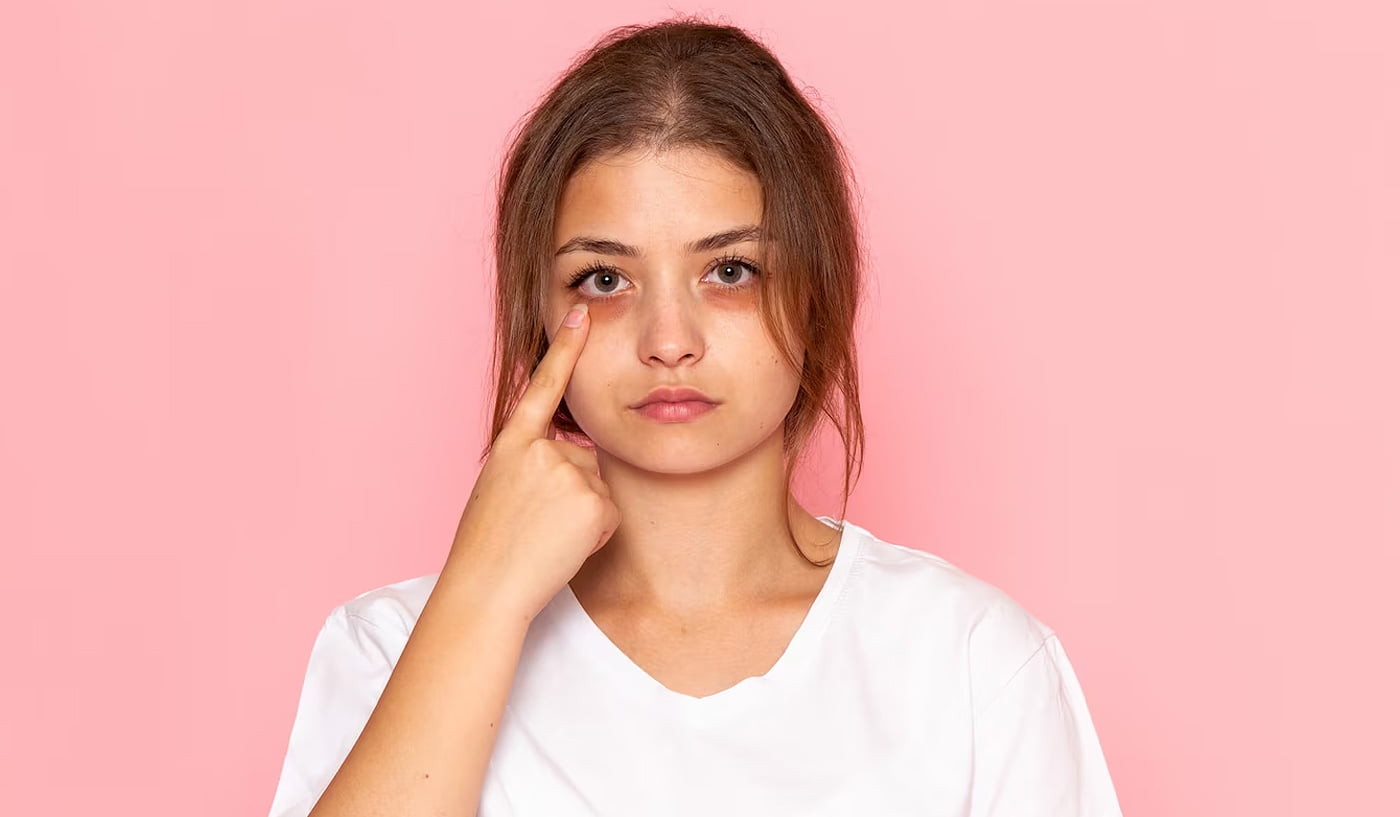
Causes of Undereye Dark Circles
View this post on Instagram A post shared by Dr. Priya agrawal (@dr.priya_agrawal) Under-eye dark ci

Dark skin care
Although black skin tends to be more healthy-looking naturally, this doesn’t mean it is any le