
Best Acne Treatments for Clear Skin: What Really Works?
Acne is a common skin condition that affects people of all ages, but it’s especially common in teenagers and young adults. It can range from mild breakouts to severe, cystic acne, causing frustration and low self-esteem. With countless products and treatments on the market promising clear skin, it can be difficult to know where to turn. In this blog, we’ll explore the most effective acne treatments available today, shedding light on what works and how you can achieve clear, healthy skin.
Understanding Acne: What Causes It?
Before diving into treatment options, it’s important to understand what causes acne. Acne occurs when hair follicles become clogged with oil (sebum), dead skin cells, and sometimes bacteria. These clogged follicles can lead to whiteheads, blackheads, pimples, and even deeper cysts or nodules. Factors such as hormonal changes, stress, poor diet, and even genetics can contribute to the development of acne.
Top Acne Treatments That Work
There are many ways to treat acne, ranging from over-the-counter (OTC) solutions to professional medical treatments. Here are the most effective and trusted methods:
1. Topical Treatments
Topical treatments are creams, gels, and lotions that you apply directly to your skin. They’re often the first line of defense against acne and can be purchased without a prescription.
2. Oral Medications
For moderate to severe acne, oral medications may be necessary. These work from the inside out to target the root causes of acne.
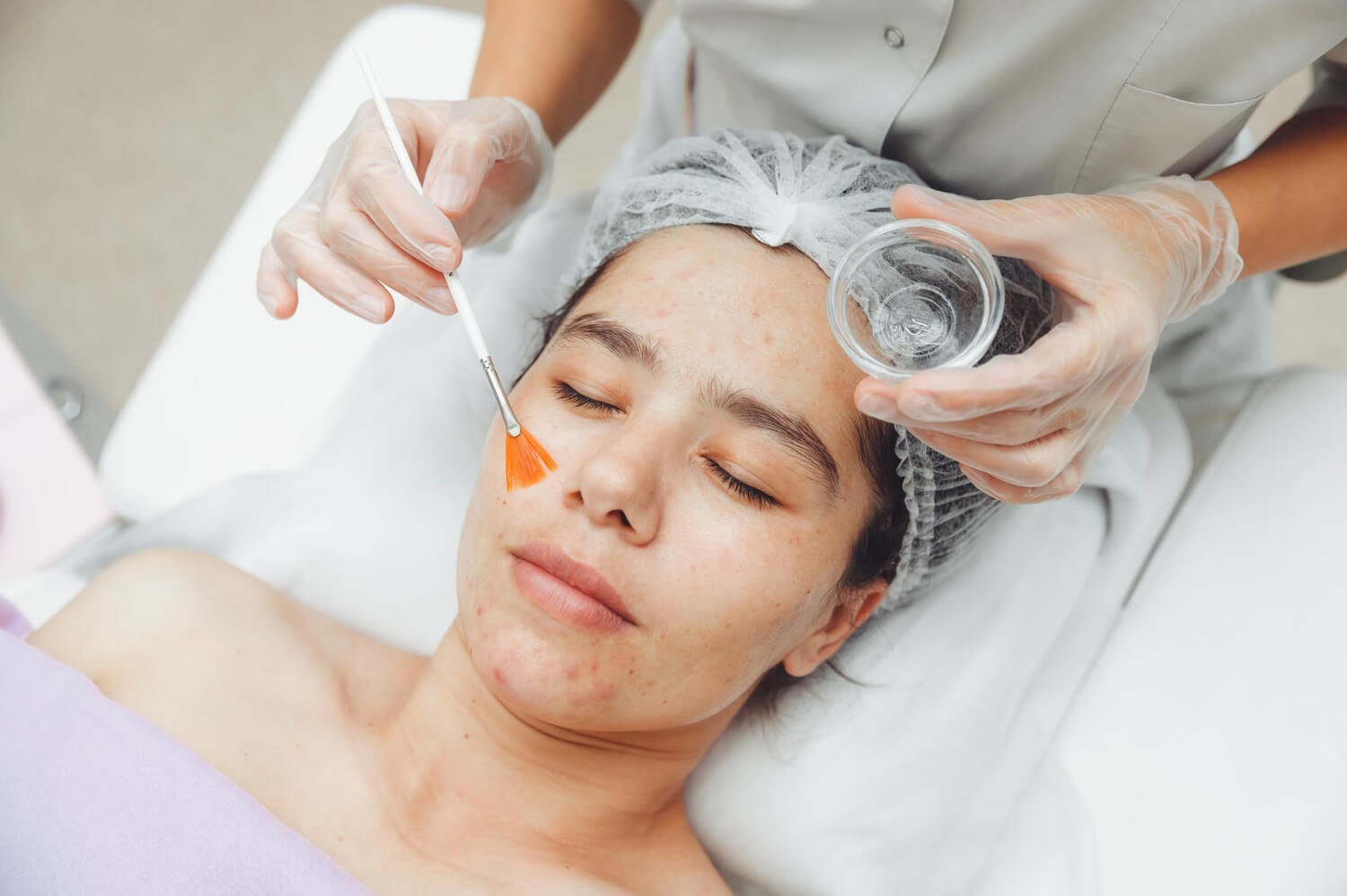
3. Chemical Peels
Chemical peels involve applying a chemical solution to the skin to exfoliate and remove dead skin cells. They can be done by a dermatologist or licensed professional and are helpful for reducing acne and improving the appearance of acne scars.
4. Laser and Light Therapy
Laser and light treatments use targeted light to kill acne-causing bacteria, reduce inflammation, and promote skin healing. These treatments can be highly effective for people with moderate to severe acne.
5. Facials and Extracting Comedones
For people with milder acne, regular facials can help keep the skin clean and clear. Estheticians can perform extractions to remove blackheads and whiteheads, which are often the first signs of acne. While this can be a helpful treatment, it should only be done by a professional to avoid scarring or introducing bacteria into the skin.
Maintaining Healthy Skin
In addition to using treatments, maintaining a good skincare routine is essential for managing acne. Here are some tips for keeping your skin healthy:
Wash your face twice a day: Use a gentle cleanser to wash away dirt, oil, and makeup. Avoid scrubbing your skin too harshly, as this can make acne worse.
Moisturize: Even if you have oily skin, it’s important to use a lightweight, non-comedogenic moisturizer to keep your skin hydrated.
Avoid touching your face: Constantly touching your face with your hands can transfer bacteria and oil to your skin, potentially causing breakouts.
Protect your skin from the sun: Some acne treatments, especially retinoids, can make your skin more sensitive to the sun. Be sure to use sunscreen daily to protect your skin.
Conclusion
Acne can be a frustrating and challenging condition, but there are many effective treatments available to help you achieve clear, healthy skin. Whether you choose topical treatments, oral medications, or professional procedures, the right approach can make a significant difference. Remember, consistency is key, and results may take time.
Read Recent Articles

Unveiling the Best Skin & Hair Care Experts in Gujarat: Priya Skin Clinic
Are you in search of top-notch dermatological care in Gujarat? Look no further than Priya Skin Clin
8 Ways Laser Hair Removal Can Boost Your Confidence
Laser hair removal has become a popular and effective method of removing unwanted body hair, and its
Best Skin Clinic in Gujarat: Why Priya Skin Clinic is a Trusted Name in Skin & Hair Care
When it comes to skin health, choosing the right clinic can make all the difference. Whether youR